How to Maintain a Container House for Longevity and Comfort?

Time:2026-05-31 Author:Isabella
0%

Container houses are becoming increasingly popular for their unique design and sustainability. Many homeowners seek guidance on how to maintain a container house, ensuring it lasts for years while providing comfort. Proper upkeep is crucial for both functionality and aesthetics.

Maintenance involves regular inspections to identify potential issues. It’s essential to check for rust, leaks, and structural integrity. The climate you live in can affect your container home’s durability. For instance, high humidity can lead to moisture problems. This requires proactive measures and sometimes professional assistance.

Investing time in maintenance can prevent costly repairs. However, some owners may overlook small problems, leading to larger issues later. Regular maintenance not only enhances longevity but also improves the living experience. Taking these steps ensures your container house remains a safe and enjoyable space.
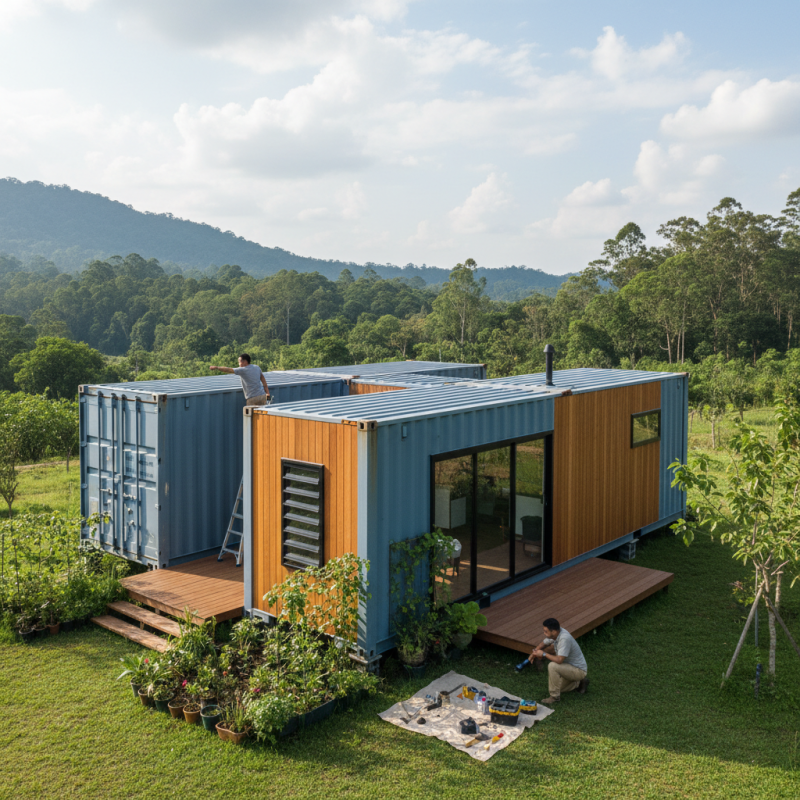
How to Maintain a Container House for Longevity and Comfort?

Understanding the Structure and Materials of Container Houses

Container houses have gained popularity for their unique structure and eco-friendly materials. Understanding these elements is essential for maintaining longevity and comfort. The main material used is steel, providing strength and durability. However, steel can corrode if not treated properly. Regular inspections are necessary to identify rust or wear. A protective paint can help, but ensuring proper ventilation is crucial to reduce moisture buildup.

Tips: Keep insulation in mind. Insulation helps regulate temperature, enhancing comfort. Use materials such as foam or reflective barriers. They protect against extreme temperatures and reduce energy costs.

The design of container houses can also pose challenges. Modifying openings may weaken structural integrity if not done correctly. It's wise to hire a professional for extensive modifications. Alternatively, smaller adjustments can be DIY, but proceed with caution. A sound structure is vital for safety and comfort. Regular maintenance will help ensure your container home remains a cozy retreat for years to come.

Regular Inspection: Identifying Common Issues in Container Homes

Regular inspections are crucial for maintaining container homes. Most issues stem from weather exposure, rust, and inadequate insulation. According to a study by the Container Housing Association, about 40% of container homes face insulation problems within the first five years. The impact of poor insulation leads to discomfort and increased energy costs.

Inspecting the exterior regularly can help identify signs of rust and wear. Accumulated moisture can speed up corrosion. Homeowners should focus on sealing joints and reapplying protective coatings. A simple check every few months can prevent major repairs later. Always keep an eye on drainage systems—clogs can lead to unwanted water pooling around the base.

Inside the home, inspect for leaks around windows and doors. Faulty seals can lead to drafts. The same report indicated that nearly 30% of container residents experience these issues early on. Addressing these problems promptly can enhance comfort significantly. Use a simple checklist during inspections to ensure nothing goes unnoticed. This practical approach can extend the life of your container home.

How to Maintain a Container House for Longevity and Comfort? - Regular Inspection: Identifying Common Issues in Container Homes

Issue Description Frequency of Inspection Suggested Actions
Rust Corrosion may occur on the metal of the container over time. Every 6 months Inspect and apply anti-corrosive paint as needed.
Seams and Joins Check for gaps or wear that may lead to leaks. Every 3 months Seal gaps with appropriate weatherproofing materials.
Roof Condition Inspect for any signs of damage or pooling water. Twice a year Fix any leaks and ensure proper drainage.
Insulation Check if the insulation is intact and effective. Annually Replace or add insulation as needed to maintain comfort.
Pest Control Look for signs of infestations such as droppings or nests. Every 3 months Implement preventive measures and treat infestations promptly.

Climate Control: Ensuring Comfort through Insulation and Ventilation

Insulation and ventilation are crucial for achieving comfort in a container house. Proper insulation helps regulate indoor temperatures, reducing energy costs. Insulating walls and roofs with high-quality materials can prevent heat loss during winter and keep the interior cool during summer. However, if the insulation is not installed correctly, it may lead to moisture buildup. This can cause mold and structural damage over time.

Ventilation is equally important. It ensures fresh air circulation, preventing stale air and promoting a healthier living environment. Windows, vents, and exhaust fans can improve airflow significantly. But over-ventilating can lead to unwanted drafts and energy loss. Finding the right balance is essential for comfort.

Regular maintenance is needed for both insulation and ventilation systems. Inspect for signs of wear, moisture, or pests. Neglecting these issues can lead to long-term problems. A proactive approach helps maintain a comfortable and durable space. Investing time and effort in these areas pays off by enhancing living conditions. Every container house owner should evaluate their climate control methods regularly to ensure lasting comfort.

Maintenance Tips: Keeping the Exterior and Interior in Top Shape

Maintaining a container house requires attention to both the exterior and interior. Weathering can lead to rust or damage. Regular inspections are essential. Make sure to check for signs of wear and tear frequently.

Cleaning the exterior is crucial. Use a soft brush to remove dirt and debris. Pay special attention to the seams and joints. These areas can trap moisture, leading to rust. Consider applying a weather-resistant sealant every few years for added protection.

Inside, keep the space dry and ventilated. Mold can easily develop in a humid environment. Invest in dehumidifiers, especially in damp areas. Regularly check for leaks around windows and doors. Small issues can grow into larger problems if neglected. Remember that comfort also involves aesthetics. Rearranging furniture or adding personal touches can enhance your living experience.

Container House Maintenance Tips

Long-Term Planning: Upgrades and Renovations for Longevity

When planning for the longevity of a container house, consider essential upgrades and renovations. According to a recent industry report, properly insulated container homes can reduce energy costs by 30%. Investing in high-quality insulation materials helps maintain temperature and comfort year-round. This initial cost can enhance your home's lifespan and overall efficiency.

Regular maintenance is critical. Inspect seals and joints regularly to prevent water damage. Industry experts emphasize that 75% of damage in container homes arises from poor waterproofing. Utilizing high-grade paint for exteriors can protect against rust and corrosion, essential in varying climates.

Even with quality construction, there are always areas for improvement. Assess your home's layout and functionality. Sometimes, open-concept designs enhance comfort but can also create acoustic issues. Introducing noise-reducing materials can help. Additionally, consider sustainable upgrades, such as solar panels, which could factor into long-term savings and energy independence. These choices reflect a commitment to both comfort and environmental responsibility.

FAQS

: What materials are primarily used in container houses?

: Container houses mainly use steel, known for strength and durability.

How can I prevent rust on steel container homes?

Regular inspections and protective paint can help avoid rust. Proper ventilation is also key to reducing moisture.

Why is insulation important in container houses?

Insulation regulates indoor temperatures and can reduce energy costs significantly.

What happens if insulation is poorly installed?

Incorrect insulation can lead to moisture buildup, causing mold and structural damage over time.

How should ventilation be managed in container homes?

Proper ventilation promotes fresh air circulation while avoiding unwanted drafts. Balance is essential for comfort.

How can container home owners ensure longevity?

Regular maintenance, sealing, and high-quality upgrades are necessary for long-term durability.

What role do upgrades play in a container house's lifespan?

Quality insulation and renovations enhance comfort and can significantly reduce energy costs.

Are there potential downsides to open-concept designs?

Open layouts can improve space but might lead to noise issues; consider using noise-reducing materials.

What should I prioritize for maintenance?

Inspect joints and seals often to prevent water damage and maintain comfort.

How can sustainable upgrades benefit a container home?

Solar panels and other eco-friendly options can lead to long-term savings and enhance energy independence.

Conclusion

Maintaining a container house for longevity and comfort involves understanding its unique structure and materials. Key to this process is regular inspection, which helps identify common issues such as leaks or rust that can compromise the integrity of the home. Climate control is another crucial factor; effective insulation and ventilation ensure a comfortable living environment regardless of external weather conditions.

Additionally, maintaining both the exterior and interior is vital for preserving aesthetics and functionality. Simple maintenance tips, such as cleaning and painting, can significantly extend the life of a container home. Finally, long-term planning for upgrades and renovations will enhance the living experience and ensure that the container house remains a sustainable and enjoyable space. In summary, knowing how to maintain a container house is essential for a durable and comfortable home.

Isabella

Isabella

Isabella is a dedicated marketing professional with a sharp focus on driving brand growth and engagement through strategic content creation. With an extensive background in digital marketing, she combines her passion for storytelling with her keen understanding of industry trends to deliver......