How long do prefab structures last? The answer depends on materials, construction quality, climate, maintenance, and daily use. A well-designed modular home may remain comfortable for 50 years or more. Some steel-framed commercial buildings can serve even longer with proper care. However, no responsible expert should promise one fixed lifespan for every prefab structure.
So, what is the lifespan of prefab structures in real conditions? Factory production often improves precision, because controlled facilities reduce weather exposure and material waste. Tight joints, protected wiring, and consistent insulation can support long-term performance. Still, transport, site assembly, drainage, and foundation work strongly influence results. A small installation mistake may allow moisture behind wall panels, where damage stays hidden for years.
Maintenance matters greatly.
Owners should inspect roofs, seals, exterior coatings, plumbing, and ventilation regularly. In coastal areas, salt air can accelerate corrosion. In cold regions, repeated freezing and thawing may stress foundations and cladding. A prefab structure also changes with its purpose. A lightly used office may age differently from a family home exposed to children, pets, and daily cooking.
Industry guidance, manufacturer specifications, and local building inspections provide better evidence than marketing claims. Look for documented material warranties, tested structural systems, and clear maintenance schedules. Even then, predictions remain imperfect. Real buildings often reveal surprises that laboratory tests cannot fully capture. This guide examines expected service life, common failure points, repair needs, and the practical choices that help prefab structures remain safe, efficient, and valuable over time.
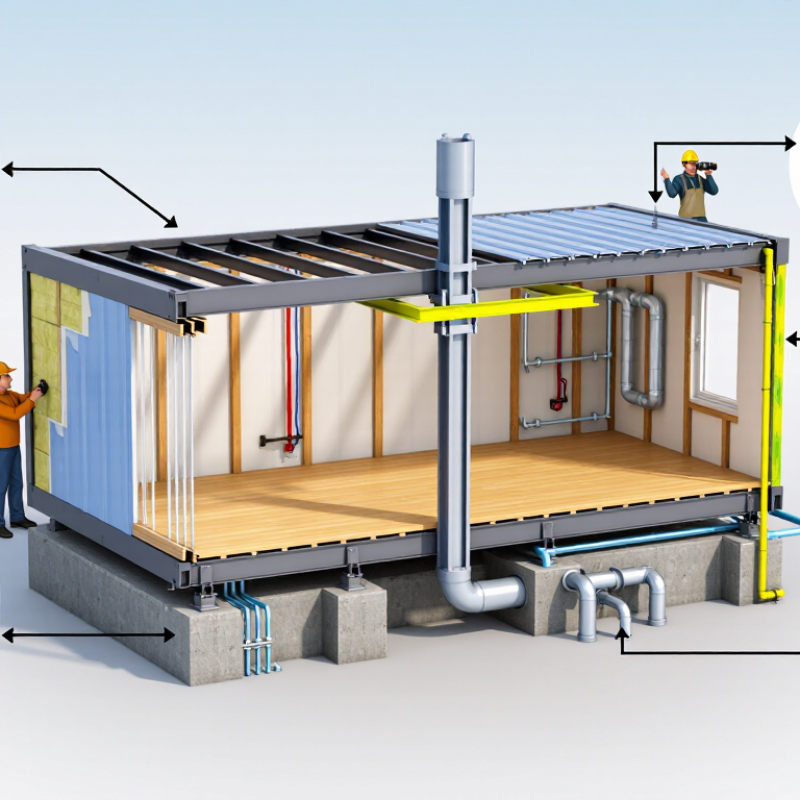
Prefab structures are buildings assembled from factory-made panels, rooms, or structural modules. Workers cut materials, install insulation, and place wiring under controlled conditions. Finished sections then travel to a prepared site. Cranes position them over foundations, while crews connect walls, floors, plumbing, and electrical systems. This process is more precise than it sounds. Transport can still damage edges, and rushed site connections may create weak points.
The 2019 McKinsey report on modular construction estimates schedule reductions of 20–50% and potential cost reductions of up to 20%. These gains come from parallel work: foundations develop onsite while modules are built indoors. However, faster construction does not guarantee a longer life. A prefab structure can last for decades when its foundation, moisture control, fasteners, and exterior finishes are properly maintained. Poor drainage can shorten service life quickly. That uncomfortable detail deserves attention.
Tips: Review the manufacturer’s structural drawings, connection details, and maintenance schedule. Ask how moisture barriers are tested. Check local climate loads, including wind, snow, heat, and humidity. The Modular Building Institute’s 2024 Permanent Modular Construction Annual Report shows continued growth in permanent modular building, but market growth is not proof of durability. Inspect the completed structure after heavy storms, especially around joints and roof penetrations. A factory-built building still needs human judgment.
Prefab structures can last for decades, but their lifespans differ by construction type. Volumetric modular homes often reach 60 to 100 years when protected from moisture and maintained properly. Their structural frames usually use timber, steel, or concrete. The NAHB Study of Life Expectancy of Home Components reports that wood framing and concrete foundations can exceed 100 years. Roof coverings often fail earlier, however. Asphalt shingles commonly last about 20 years.
Panelized timber buildings typically serve for 50 to 100 years. Their panels may perform well, but poorly sealed joints can invite water damage. A damp corner behind cladding can become a serious structural problem. ISO 15686-1 explains that service life depends on design, exposure, maintenance, and replacement planning. The number is not a guarantee.
Manufactured homes often receive estimates of 30 to 55 years, although many remain usable longer. HUD construction standards improve safety and durability, but foundation quality remains critical. Steel prefab buildings may last 50 to 100 years or more, especially with effective corrosion protection. The European corrosion guidance for structural steel shows how exposure conditions can change maintenance intervals. In coastal air, salt can attack unprotected connections quickly. These ranges are useful, but imperfect. Actual performance depends more on drainage, workmanship, climate, and repair records than on the factory label.
How Long Do Prefab Structures Last?
Key Factors That Affect Prefab Durability
Prefab structures can last for decades when their materials, connections, and site conditions work together. A factory-built process improves consistency, but it does not eliminate construction risks. Moisture is the enemy. Water entering through roof joints, window edges, or floor gaps can cause rot, corrosion, and insulation failure. In practice, inspectors often find that drainage details matter more than appearance.
The foundation also plays a major role. Uneven settlement can twist panels, stress fasteners, and create cracks around doors. Soil testing, accurate leveling, and proper anchoring reduce these problems. Local wind, snow, heat, and humidity should guide the structural design. A building suited to a dry inland climate may need different protection near a wet coast. This point is sometimes underestimated.
Material quality affects service life as well. Galvanized steel resists rust, while treated timber needs careful protection from persistent dampness. Sealants, flashing, roof coatings, and ventilation systems require regular inspection. Small defects become expensive when ignored. Maintenance schedules should be practical, not idealized. Checking roof drainage after heavy storms and inspecting joints each year can reveal early damage.
A clean factory finish is not proof of durability. Transport and installation can still create hidden stress. That estimate can be wrong. Qualified local professionals should verify the foundation, connections, drainage, and compliance with applicable building requirements before occupancy and during later repairs.
| Durability Factor | Typical Service-Life Range | How It Affects Longevity | Recommended Maintenance | Relative Impact |
|---|---|---|---|---|
| Structural Frame Material | 30–100+ years | Steel, reinforced concrete, and properly protected timber can all provide long service lives. The actual lifespan depends on design loads, moisture exposure, corrosion protection, and construction quality. | Inspect the frame and connections periodically; address corrosion, cracking, settlement, or deformation promptly. | High |
| Exterior Cladding and Siding | 20–60 years | Cladding protects the structure from rain, ultraviolet radiation, wind, and temperature changes. Poorly sealed or damaged panels can allow water intrusion and accelerate deterioration. | Clean surfaces, replace damaged panels, and renew sealants or protective coatings when required. | High |
| Roofing System | 15–50 years | Roof life varies widely by material, slope, drainage, weather exposure, installation quality, and the frequency of inspections. | Remove debris, keep gutters and drains clear, inspect flashings, and repair leaks as soon as they are found. | High |
| Moisture Control and Waterproofing | Depends on upkeep | Persistent moisture can cause timber decay, mold, insulation failure, metal corrosion, and damage to interior finishes. Water management is one of the most important determinants of prefab durability. | Check joints, membranes, windows, doors, plumbing penetrations, and drainage paths at least annually and after severe storms. | High |
| Foundation and Site Conditions | 50–100+ years when properly designed | Uneven settlement, expansive soils, poor drainage, flooding, and frost movement can create structural stress and misalignment in the building envelope. | Maintain site drainage, monitor cracks and settlement, and ensure the foundation matches local soil, climate, and load requirements. | High |
| Climate and Environmental Exposure | Varies by location | Coastal salt, high humidity, freeze-thaw cycles, extreme heat, heavy snow, wildfire risk, and strong winds can shorten service life if materials are not selected for the environment. | Use climate-appropriate materials, protective coatings, corrosion-resistant fasteners, and weather-rated assemblies. | High |
| Connection and Joint Quality | 30–60+ years | Factory-made components can improve consistency, but poorly sealed joints, loose fasteners, or incorrect assembly may create weak points and water-entry paths. | Inspect bolted, welded, screwed, and sealed connections; retighten or reseal components according to the construction specifications. | Medium to High |
| Insulation and Ventilation | 20–50 years | Effective insulation and ventilation help control condensation, indoor humidity, and temperature fluctuations, reducing the risk of hidden material deterioration. | Check insulation for moisture or compression, maintain ventilation systems, and keep indoor humidity within a reasonable range. | Medium |
| Plumbing, Electrical, and Mechanical Systems | 10–30 years | These systems often require replacement or upgrades before the main structure. Leaks, overheating, or outdated equipment can damage otherwise durable modules. | Follow inspection schedules, replace worn components, test safety devices, and repair leaks or electrical faults without delay. | Medium |
| Routine Inspection and Preventive Maintenance | Can add decades of service | Early detection prevents minor defects from becoming major structural or moisture-related problems. Neglected maintenance is a common cause of premature deterioration. | Perform seasonal checks, keep written maintenance records, and arrange a professional building inspection at suitable intervals. | High |
| General guideline: A well-designed and properly maintained prefab structure commonly provides several decades of service, while durable structural systems may last 50–100 years or more. Actual performance depends on materials, engineering, local climate, foundation conditions, installation quality, and maintenance. | ||||
Prefab structures can serve for decades when maintenance matches their materials and exposure. Actual service life depends on design, installation quality, climate, and repairs. ISO 15686-1 recommends planned service-life assessments instead of relying on fixed lifespan claims. That distinction matters.
Inspect roof seams, flashing, gutters, and panel joints at least twice yearly. Look for rust-colored streaks, loose fasteners, cracked sealant, and trapped water. Small leaks spread quietly behind insulation. Replace damaged sealant before rain reaches the frame. Keep drainage paths clear, especially after storms. Check anchors and connections for movement, corrosion, or unusual gaps. These details often decide whether a structure ages steadily or deteriorates early.
The U.S. Department of Energy’s Operations & Maintenance Best Practices Guide reports potential maintenance-cost reductions of 10–40% through effective programs. It also identifies possible energy savings of 5–20%. These figures are not guarantees. Building use and local weather change the result. A maintenance log should record inspection dates, photos, repairs, and recurring defects. Field teams may overlook concealed moisture during quick visits. Annual professional inspections can test those assumptions. The uncomfortable truth is simple: a modern prefab shell still fails when basic maintenance is postponed.
Prefab structures do not have one guaranteed lifespan. Their service life depends on design, moisture control, site exposure, workmanship, and maintenance. ISO 15686 guidance treats service life as a planned performance period, not a fixed expiration date. Well-maintained permanent units can remain useful for 50 years or longer, while neglected buildings may show serious damage much earlier.
Aging usually appears in small details first. Look for rust around steel connections, soft flooring near bathrooms, cracked sealants, sticking doors, and roof stains after heavy rain. Condensation inside wall cavities is especially dangerous. It can weaken insulation before occupants notice visible mold. The 2024 Permanent Modular Construction Annual Report, prepared by the Modular Building Institute and Dodge Construction Network, valued the sector at about 20.3 billion dollars. That growth reflects wider acceptance, but it does not remove inspection risks.
Repair is often practical when the frame remains sound. Replace failed sealant, repair flashing, improve drainage, and test electrical or plumbing systems before opening walls. A qualified building professional should check hidden moisture and structural connections. Replacement becomes more sensible when corrosion is widespread, water damage affects framing, or energy upgrades require major reconstruction. The uncomfortable part is that low purchase cost can hide high repair costs. A replacement decision should compare the next ten years of maintenance, energy use, downtime, and disposal. Estimates are imperfect. Site evidence matters more than optimistic brochures.
Well-maintained permanent units may remain useful for 50 years or longer. Neglected buildings can deteriorate much sooner. Lifespan is not guaranteed.
Moisture is a major threat. Leaks around roof joints, windows, and floor gaps can cause rot, corrosion, and insulation failure. Drainage often matters more than appearance.
Uneven settlement can twist panels, stress fasteners, and crack areas around doors. Soil testing, accurate leveling, and secure anchoring reduce these risks. Small movement matters.
Wind, snow, heat, and humidity should shape the structure’s protection. A dry inland design may need stronger moisture control near a wet coast. Climate assumptions can be wrong.
Inspect roof drainage after heavy storms. Check joints, sealants, flashing, and roof coatings each year. Look for rust, stains, soft flooring, or sticking doors.
Yes. Lifting, transport, or poor alignment can create hidden stress. A clean factory finish proves little. Local professionals should verify connections and anchoring.
Repair is practical when the frame remains sound. Replace failed sealants, damaged flashing, and blocked drainage. Test electrical and plumbing systems before opening walls.
Replacement may make sense when corrosion is widespread or framing has serious water damage. Compare ten years of repairs, energy costs, downtime, and disposal. Estimates are imperfect. Site evidence matters more.
Prefab structures are buildings or components manufactured in a controlled facility and then transported to the site for assembly. Their service life varies by type, materials, construction quality, and intended use. Temporary modular units may serve for several decades with proper care, while well-built residential, commercial, or steel-framed structures can remain functional for many decades or longer. This explains why the question “what is the lifespan of prefab structures” cannot be answered with one fixed number.
Durability depends on foundation quality, climate, moisture control, insulation, protective coatings, structural connections, and regular inspections. Routine maintenance, including roof checks, sealing gaps, controlling rust, cleaning drainage systems, and repairing minor damage promptly, can significantly extend service life. Warning signs such as leaks, corrosion, cracking, uneven floors, warped panels, or poor insulation should be assessed by qualified professionals. Depending on the condition, repairs, component replacement, reinforcement, or full replacement may be appropriate.

KS Housing