Container houses have emerged as a popular alternative to traditional homes, appealing to many for their sustainability and cost-effectiveness. Experts often discuss the question, "how do container houses work?" and the insights can be eye-opening. According to architect Sarah Johnson, a leading voice in sustainable building, “Container homes offer an innovative solution to housing, but they require careful planning and consideration.”
These structures use repurposed shipping containers, which can be transformed into livable spaces. Their durability and modularity make them appealing for various settings. However, potential homeowners must think critically about insulation, plumbing, and compliance with local codes. Container houses can be a viable option, but they are not without challenges.
For those considering this path, it's essential to weigh both benefits and drawbacks. While the initial investment may seem low, hidden costs often arise. Moreover, the aesthetic appeal of container homes can vary greatly, depending on design choices. Exploring how do container houses work offers insights into a unique housing solution, but one should proceed with caution and thorough research.
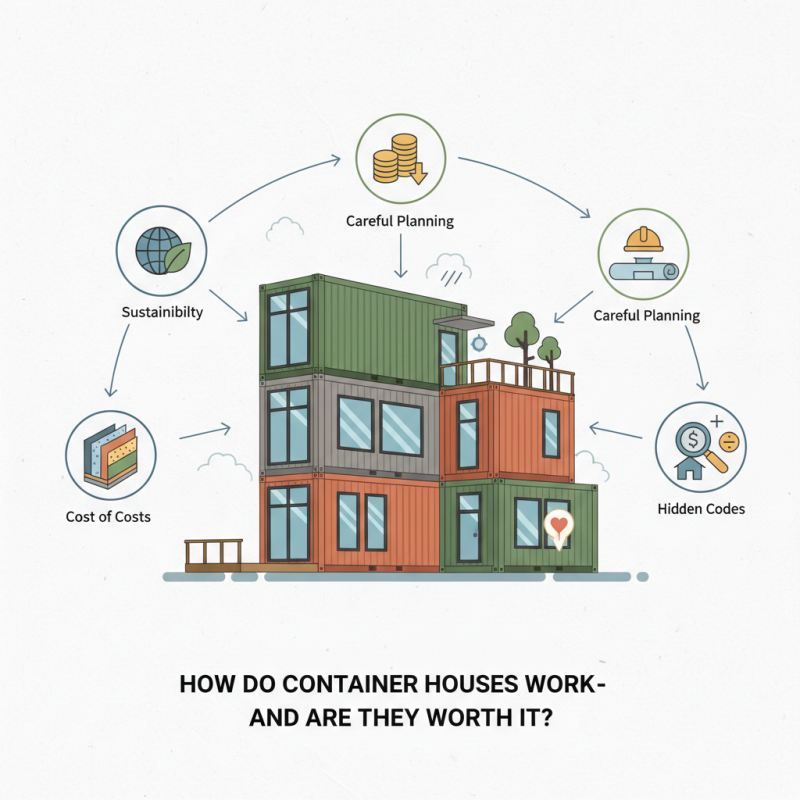
Understanding Container Houses: A Modern Housing Solution
Container houses are increasingly recognized as a modern housing solution. They are built from repurposed shipping containers, adding an eco-friendly aspect. These structures offer flexibility in design and functionality. Homeowners can create unique spaces that reflect their personality and lifestyle. However, the initial costs can be misleading. While containers are often cheaper than traditional homes, additional expenses may arise from
insulation, electrical work, and plumbing.
The appeal of container houses lies in their durability. Steel boxes are resistant to pests and harsh weather. This feature can enhance longevity and reduce maintenance costs. Yet, building codes vary by region. Compliance with these codes is crucial and can complicate the construction process. Some builders may lack experience with container conversions, leading to subpar results.
Potential buyers should consider these challenges. Container homes require thoughtful design to ensure comfort and functionality. Space can feel cramped without careful planning. While they may be an innovative option, container houses are not a one-size-fits-all solution. Balancing aesthetics, costs, and practicality is essential for making informed decisions.
The Construction Process of Container Houses: Step by Step
The construction process of container houses is both innovative and practical. It begins with the selection of shipping containers. These containers are typically made of durable steel and can withstand harsh weather. However, choosing the right condition is crucial. Some may have wear and tear, affecting structural integrity.
Once selected, the containers are transported to the building site. Before modifications, proper site preparation is essential. This might include leveling the ground and ensuring adequate drainage. After the containers are in place, cutting windows and doors is next. This is a critical step, as it impacts both natural light and ventilation.
Insulation is often overlooked but vital for energy efficiency. Spray foam or rigid foam boards are common choices. Each choice has pros and cons. Furthermore, electrical and plumbing systems must be efficiently integrated. Poor planning in this phase can lead to costly retrofits. While container homes are affordable, unexpected challenges may arise during construction. Understanding these details can enhance the overall project outcome.
Container House Cost Breakdown
Advantages of Living in Container Houses: Cost and Sustainability
Container houses offer a unique and sustainable living option. These homes are often made from repurposed shipping containers. This approach reduces waste and minimizes the environmental impact of construction. Many choose this lifestyle for its ecological benefits and affordability. Living in a container house can cost significantly less than traditional homes. The materials are often recycled, which cuts down on expenses. However, the initial setup can still be pricey, depending on modifications.
Sustainability is a major advantage of container living. These houses can be equipped with solar panels and rainwater harvesting systems. This allows residents to reduce their carbon footprint. Living in a container home encourages a minimalist lifestyle. Space is limited, which prompts careful consideration of belongings. However, some people struggle with this limited space. It’s not always easy to adapt to. Finding the right balance between comfort and functionality can be challenging.
Moreover, container homes can be surprisingly stylish. They can be designed to fit various aesthetics. Many people appreciate the modern look and innovative design. However, there may be issues with insulation and temperature control. Not all containers are created equal. Some require extensive modifications to ensure comfort. This is a part of the learning curve when considering container living. Ultimately, the trade-offs between cost, sustainability, and comfort need careful evaluation.
Challenges and Considerations in Container House Design and Living
Container houses offer a unique approach to living, but they come with distinct challenges. First, insulation is crucial. Metal containers can get hot or cold quickly. Proper insulation ensures comfort year-round. Poor insulation leads to temperature extremes, necessitating expensive heating or cooling solutions.
Another consideration relates to space. Container homes are typically compact. This can feel cramped for some. Minimalism is a lifestyle choice, yet it requires adjusting to limited storage and living areas. Think about how much space is genuinely needed before committing to a design.
**Tips:** Plan your layout carefully. Utilize vertical space for storage. Consider multifunctional furniture to maximize utility.
Lastly, building codes vary by location. Contact local authorities before starting your project. Adhering to regulations is vital for safety and legality. Not all regions embrace container houses, so research is essential.
**Tips:** Consult with professionals who understand local building codes. Their expertise can save you time and money in the long run. Always prioritize legal compliance to avoid future complications.
How Do Container Houses Work and Are They Worth It? - Challenges and Considerations in Container House Design and Living
| Dimension |
Consideration |
Pros |
Cons |
| Cost |
Initial investment vs. long-term savings |
Lower material costs compared to traditional homes |
Potential renovation costs can add up |
| Durability |
Resistance to harsh weather conditions |
Strong metal structure provides longevity |
Insulation and rust treatment are required |
| Customization |
Design options and layout flexibility |
Unique and creative design possibilities |
Custom builds can become costly |
| Sustainability |
Use of recycled materials |
Environmentally friendly building option |
Energy efficiency varies with design |
| Regulations |
Zoning laws and building permits |
Can be easier to obtain for alternative housing |
Regulations can vary widely by location |
The Future of Container Homes: Trends and Innovations in Housing
The container home trend is gaining momentum. According to a report by Market Research Future, the global market for modular homes is projected to reach $132 billion by 2027. This indicates a shift towards alternative housing solutions. Container homes present unique opportunities but also come with challenges.
Innovative designs are emerging. Architects are experimenting with stacking and customizing containers to create functional spaces. Insulation improvements are addressing temperature issues commonly associated with steel structures. Many homeowners report lower energy costs and sustainable living benefits. However, the initial investment can be high, and construction quality may vary significantly.
Modern container homes are versatile but not without drawbacks. Limited space can impact design flexibility. Not every area allows container homes due to zoning laws. As the industry matures, it's crucial to balance innovative designs with practical concerns. The debate around container living is ongoing, as we explore what makes a house truly feel like home.
Conclusion
Container houses have emerged as an innovative housing solution, appealing to those interested in sustainable living and cost-effective construction. Understanding how do container houses work involves recognizing their unique design and construction processes, which transform shipping containers into functional living spaces. These homes are not only affordable but also eco-friendly, as they often incorporate sustainable materials and practices.
However, living in container houses comes with its own set of challenges and considerations, including zoning regulations, insulation needs, and design flexibility. As trends in housing continue to evolve, the future of container homes looks promising, with innovations enhancing their livability and aesthetic appeal. Ultimately, container houses represent a modern approach to addressing housing shortages and environmental concerns.

 KS Housing