Prefab houses have gained popularity in recent years. Many people wonder, “what are the advantages of prefab houses?” These homes are not just trendy; they offer practical benefits that can improve living experiences.
One major advantage is efficiency in construction. Prefab houses are built in a factory, which reduces time on site. This leads to quicker move-in times. Additionally, they often use sustainable materials. Quality control is usually higher in factory settings. However, it’s key to consider local zoning laws and regulations when opting for prefab options.
Typically, prefab homes can be more affordable than traditional builds. This affordability attracts many buyers. Yet, the initial costs might still seem high for some. It’s vital to analyze long-term savings against upfront expenses. The growing awareness of the advantages of prefab houses is changing perceptions. With careful planning, they can be a reliable choice for modern living.
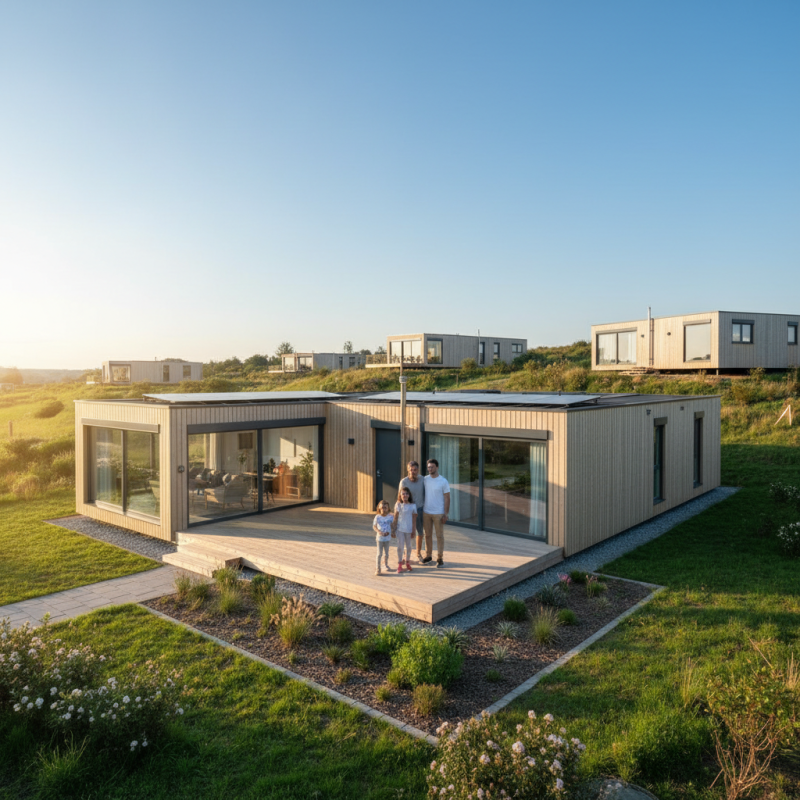
Advantages of Prefab Houses: Cost Efficiency and Affordability in Construction
Prefab houses have gained popularity due to their cost efficiency and affordability in construction. According to a report by McKinsey, modular construction can reduce project time by up to 50%. This rapid assembly can translate to significant savings for both builders and homeowners. Finding affordable housing is a pressing issue. Prefab homes typically cost 10-20% less than traditional homes.
These homes often use materials that are already optimized for quality and price. The manufacturing process allows for buying in bulk, which drives down costs. Additionally, less waste is generated in the process. However, the initial perception of prefab homes sometimes leads to skepticism. Despite their affordability, not all designs achieve the same aesthetic appeal.
Investors report that high-quality prefab houses can appreciate significantly over time. A study by the National Association of Home Builders found that well-constructed prefab homes often meet or exceed zoning requirements. Overall, the shift towards prefab construction needs careful consideration. Sites must be analyzed for suitability. In some cases, local regulations can complicate the assembly process. Therefore, it is vital to engage with professionals who understand these nuances.
Speed of Construction: Reducing Build Time by 30-50% Compared to Traditional Methods
Prefab houses are gaining traction for their speed of construction. Building with prefabricated materials can reduce construction time by 30-50% compared to traditional methods. This efficiency comes from the off-site manufacturing process, allowing for components to be assembled simultaneously. While traditional methods face weather delays and on-site complications, prefab homes are crafted in controlled environments. This minimizes setbacks and keeps projects on schedule.
Quick assembly is one of the standout benefits of prefab houses. Workers can focus on installing pre-made sections without worrying about weather interruptions. Such a streamlined approach does not compromise on quality. However, some may argue that the rapid process could lead to overlooked details, impacting long-term satisfaction. It's vital to maintain rigorous quality checks throughout construction.
This speed also has economic implications. A shorter build time means lower labor costs and quicker occupancy. Homeowners can move in faster, which enhances the overall experience. Yet, it's important to reflect on the balance between speed and craftsmanship. While prefab houses are efficient, ensuring quality should remain a top priority. The future of construction may lie in this blend of rapidity and reliability.
Speed of Construction: Advantages of Prefab Houses
Sustainability: How Prefab Houses Contribute to Lower Carbon Footprints
Prefab houses are gaining attention for their sustainability benefits. One key advantage is the reduction of carbon footprints. According to a report by the International Energy Agency, construction-related emissions account for nearly 38% of global carbon emissions. Prefab homes are built in controlled environments, which minimizes waste and reduces energy consumption. This process can lower greenhouse gas emissions by up to 50% compared to traditional construction methods.
Additionally, prefab houses often use sustainable materials. Studies from the National Association of Home Builders indicate that these homes can incorporate recycled materials and energy-efficient designs more easily. For instance, they may utilize advanced insulation and renewable energy systems. This not only enhances energy efficiency but also mitigates the need for non-renewable resources. However, challenges remain in ensuring all builders adopt these sustainable practices uniformly. There is also a need for more robust standards to govern prefab construction to achieve the anticipated sustainability outcomes effectively.
Quality Control in Manufacturing: Ensuring Durability and Performance Standards
Quality control in the manufacturing of prefab houses plays a crucial role in ensuring durability and meeting performance standards. Statistics from the "Prefab Housing Industry Report 2023" indicate that homes built under strict quality control standards have a 150% lower risk of structural failures compared to traditional builds. These homes are subjected to rigorous testing for materials, assembly processes, and final inspections to ensure they meet industry benchmarks.
One area often overlooked is the sourcing of materials. Sustainable materials can enhance durability yet require careful selection processes. A survey by the National Association of Home Builders suggests that 40% of builders believe sustainable materials lead to improved home longevity. However, not all prefab manufacturers prioritize this. Missteps in material procurement can lead to long-term issues. While some manufacturers excel in quality control, others may cut corners, resulting in inconsistent performances across the industry.
Additionally, a significant aspect of quality control involves employee training. Skilled workers are necessary to maintain high standards. A recent report highlighted that companies investing in continuous training saw a 30% increase in product quality. Yet, without ongoing education programs, many workers might miss out on critical updates in building technologies. This gap can create vulnerabilities in the final product. The emphasis on training reflects a need for a more robust quality assurance culture within prefab manufacturing.
Design Flexibility: Customization Options for Diverse Architectural Needs
Prefab houses are becoming popular due to their design flexibility. Homeowners are increasingly looking for ways to customize their living spaces. According to a recent report by the National Association of Home Builders, around 70% of prospective homebuyers prefer customizable features in their homes. This trend underscores the desire for personalized design options.
Customization may involve altering floor plans, selecting finishes, or choosing exterior materials. This flexibility allows homeowners to create spaces that reflect their personal tastes. For example, open-concept designs can be adjusted to enhance natural light or improve flow. While prefab houses offer efficient building processes, they also present unique challenges. Not every module fits every design.
Tip: When considering customization, think about the long-term implications of your design choices. Will your preferences stand the test of time? Additionally, hiring experienced architects can streamline the process. They can navigate the complexities of design and construction, ensuring your vision aligns with structural integrity.
Tip: Explore eco-friendly materials. Prefab construction can incorporate sustainable options, benefiting both the environment and your energy bills. Mindfully choosing materials may introduce imperfections, like identifying flaws early in the process. Embracing these issues is part of creating a truly personalized home.
FAQS
: Prefab houses are cost-efficient and typically 10-20% cheaper than traditional homes. They save construction time and reduce waste.
Modular construction can reduce project time by up to 50%. This rapid assembly benefits both builders and homeowners.
Yes, prefab homes can be customized in various ways, such as altering floor plans and selecting finishes to fit personal tastes.
High-quality prefab homes can appreciate over time. They often meet or exceed local zoning requirements, ensuring longevity.
Finding suitable sites can be complex. Local regulations may complicate the assembly process, requiring professional assistance.
Homeowners should consider the long-term implications of design choices. Preferences may change, affecting the home's appeal over time.
Yes, eco-friendly materials can enhance energy efficiency and reduce costs. Choosing sustainable options also benefits the environment.
Not all prefab home designs are visually appealing. Skepticism about aesthetics can arise, emphasizing the need for careful planning.
Conclusion
Prefab houses have gained immense popularity due to their numerous advantages, making them an attractive option for modern homeowners. One of the primary benefits is cost efficiency, as prefab construction often comes at a lower price point compared to traditional building methods. Additionally, the speed of construction is significantly enhanced, reducing build time by 30-50%, which allows homeowners to move into their new space faster.
Sustainability is another critical advantage, as prefab houses contribute to lower carbon footprints through efficient manufacturing processes. With quality control in manufacturing, these homes are built to meet strict durability and performance standards. Furthermore, design flexibility offers a wide range of customization options, accommodating various architectural needs. Thus, when considering what are the advantages of prefab houses, it's clear they present a compelling alternative to conventional construction methods.

 KS Housing